


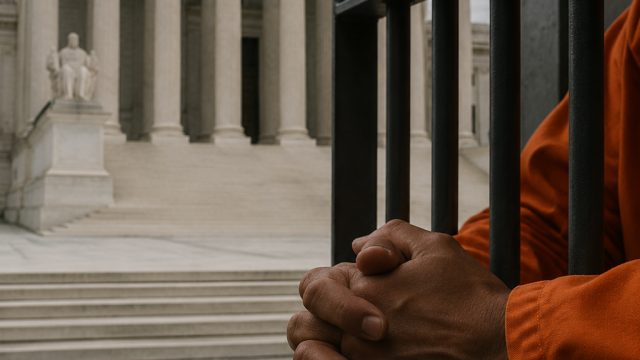
Supreme Court Ruling Limits Religious Rights of Incarcerated Individuals
The recent ruling by the Supreme Court regarding a Rastafarian inmate has sparked widespread discussion about the balance between institutional regulations and individual religious freedoms. This decision may have significant implications for the rights of incarcerated individuals across the United States.
Background of the Case
In a case that has gained attention in both legal circles and the public sphere, the Supreme Court ruled against a Rastafarian man who sought to sue prison officials after they forcibly cut his dreadlocks, a practice integral to his religious beliefs. This case highlights ongoing tensions between the rights of individuals and the authority of correctional facilities.
The Importance of Dreadlocks in Rastafarian Culture
Dreadlocks are not merely a hairstyle; for many Rastafarians, they are a symbol of their faith and spiritual journey. The act of cutting these locks can be seen as an infringement on their religious expression. The inmate in this case argued that the cutting of his hair was not just a personal affront but a violation of his First Amendment rights.
The Court's Reasoning
The Supreme Court, in its decision, emphasized the need for prison security and order, suggesting that the regulations in place at correctional facilities were necessary to maintain safety. The majority opinion argued that while individual rights are important, they may be reasonably limited in an institutional context.
Key Takeaways from the Ruling
- Religious rights for inmates can be curtailed if justified by prison security measures.
- The ruling reflects a broader trend of limiting the rights of incarcerated individuals in favor of institutional control.
- Legal precedents may now guide future cases regarding religious expression in prisons.
Implications for Inmate Rights and Future Cases
This ruling is likely to have wide-ranging effects on similar cases that involve religious rights in prisons. Legal experts caution that this may lead to more restrictive policies regarding how inmates can express their religious beliefs.
Potential Future Legal Challenges
Following this decision, advocacy groups and legal professionals are preparing to challenge laws that may further restrict religious freedoms in prisons. Possible areas of focus may include:
- Dress codes that clash with religious attire
- Restrictions on religious gatherings and ceremonies
- Limitations on religious literature access
The Broader Context of Religious Rights in America
This case occurs against a backdrop of ongoing debates about religious freedoms in various sectors of American life. The Supreme Court's decision could set a precedent that influences not just prison policies but also broader discussions about the extent of religious freedoms in public institutions.
Public Reaction and Advocacy
Public reaction to the ruling has been mixed, with some advocating for stricter regulations while others call for enhanced protections of religious freedoms. Advocacy groups are mobilizing to ensure that the conversation continues on how the law can better protect the rights of all individuals, including those behind bars.
Conclusion
The Supreme Court's recent ruling represents a critical moment in the legal landscape surrounding the rights of incarcerated individuals. As the implications of this decision unfold, it will be essential for legal advocates and the public to remain engaged in discussions about the balance between security and personal freedoms.

 QQSupport